

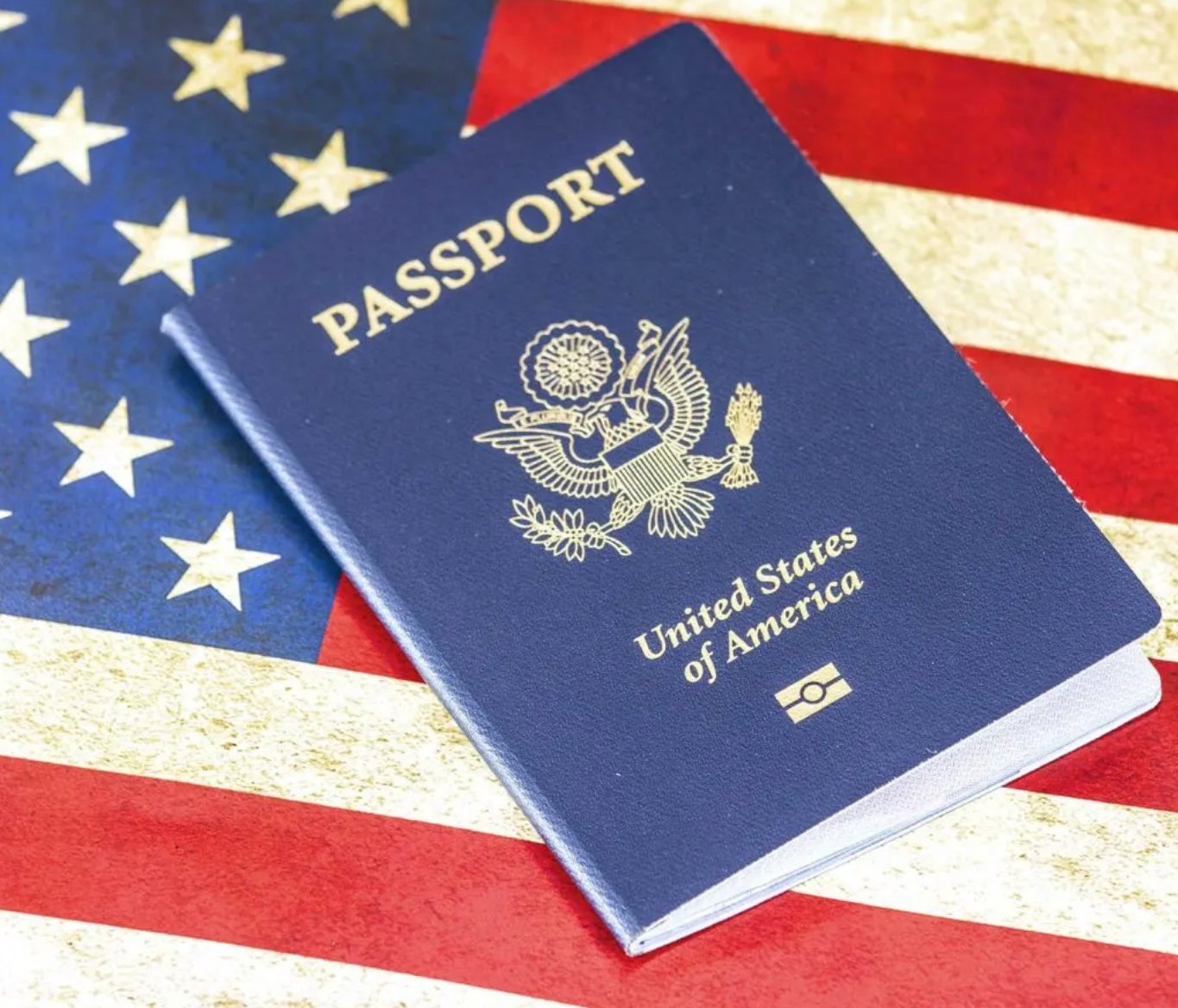
Travelling can be an exciting adventure but comes with unpredictable challenges. For Americans planning trips in 2024, having the right travel insurance can provide crucial peace of mind. Travel insurance can protect against unexpected events such as medical emergencies, trip cancellations, and lost luggage, making it an essential part of travel planning.
Different insurance companies offer various plans tailored to specific needs. Companies like Berkshire Hathaway and Allianz Global Assistance are recognized for their comprehensive emergency medical coverage, while WorldTrips is praised for its versatility in add-on options. Assessing these options carefully ensures travellers are adequately covered for their particular situations and destinations.
Having the right insurance can simplify dealing with travel disruptions. For emergencies or missed connections, companies like Travel Insured International and TravelSafe offer plans focusing on evacuation and missed connections. These features are vital for smoothly managing unforeseen complications and ensuring a worry-free travel experience.

Understanding Travel Insurance
Travel insurance is essential for safeguarding your travel plans and covering unforeseen expenses that may arise before or during your trip. Different insurance policies cater to specific needs, ensuring travelers are adequately protected.
What Is Travel Insurance?
Travel insurance provides financial protection and assistance in case of disruptions to travel plans. Coverage typically includes trip cancellations, medical emergencies, lost luggage, and other unforeseen events. Policies vary widely, offering different levels of protection depending on travelers’ needs. Travelers can choose basic coverage for medical emergencies or more comprehensive plans that include trip cancellations and interruptions.
Types of Travel Insurance for Americans
- Trip Cancellation Insurance covers costs if your trip is canceled due to covered reasons, such as illness or natural disasters.
- Travel Medical Insurance: Includes medical emergencies, hospital visits, and sometimes evacuation costs.
- Baggage and Personal Belongings Insurance: Reimburses for lost, stolen, or damaged luggage.
- Evacuation Insurance: Covers costs for emergency evacuations due to medical or security reasons.
Different companies offer specialized policies catering to unique needs, such as those traveling with expensive equipment or pre-existing conditions. Companies like Allianz Global Assistance provide a range of options tailored to different types of travelers.
Why Is Travel Insurance Necessary?
Travel insurance mitigates financial risks associated with traveling. Medical emergencies abroad can be incredibly costly without appropriate coverage, and lost luggage and travel delays can result in unexpected expenses.
Moreover, countries worldwide have different healthcare systems, and insurance ensures you receive necessary care without prohibitive costs. Emergencies requiring evacuation can involve significant costs, emphasizing the need for adequate insurance. Reliable companies such as PrimeCover offer comprehensive plans for these scenarios. Travelers should consider these factors when planning trips to ensure peace of mind.
Choosing the Right Travel Insurance
Choosing the right travel insurance involves:
- Evaluating coverage options.
- Assessing travel needs and risks.
- Comparing providers based on specific criteria.
Focusing on these aspects allows you to select the plan that best suits your situation.
Evaluating Coverage Options
When evaluating coverage options, it’s crucial to consider what is included under each plan. Common coverage areas include emergency medical expenses, trip cancellation, trip interruption, lost or delayed baggage, and emergency evacuation.
For those planning adventurous activities, consider add-on coverage covering sports and high-risk activities. Comprehensive plans also offer benefits like travel delays, missed connections, and non-medical evacuation, which can be essential for certain destinations. Please list must-have coverages and compare them across plans to ensure they meet your travel requirements.
Assessing Travel Needs and Risks
Assessing your travel needs and risks is another critical step. Start by considering the destination—it significantly impacts the types of coverage you might need. For instance, traveling to remote areas might necessitate robust medical evacuation coverage.
Frequent travelers or those with pre-existing medical conditions should seek policies that provide adequate medical coverage. Evaluate the cost of your trip and your financial risk if it gets canceled or interrupted. Also, consider your planned activities and any risks associated with them. Understanding your personal and trip-specific needs will guide your insurance choice effectively.
Provider Comparison and Selection Criteria
Provider comparison and selection criteria should focus on the quality and cost of coverage. Look for reputable providers with high ratings and positive customer reviews. Key providers like Allianz Global Assistance and Travel Guard by AIG are known for comprehensive plans.
Consider claim process ease, customer service quality, and policy flexibility. Compare quotes from multiple providers to find the best value for your money. Also, check for any exclusions or limitations in the policy that might affect your coverage. Selecting a provider that balances coverage, cost, and reliability is essential for peace of mind during your travels.
Travel Insurance Claims and Assistance
This section covers how to file a travel insurance claim, the types of assistance services provided by insurers, and practical tips for a smooth claims process.
Navigating the Claims Process
Filing a travel insurance claim involves several steps. First, contact your insurance provider; many offer 24/7 support. They will guide you through the necessary paperwork. Ensure you provide all required documentation, such as receipts, medical reports, and proof of travel.
Keep copies of all submitted documents. It can speed up the review process and help resolve any disputes. Timely submission is essential; delayed claims may lead to denial. Export your claims and email them to yourself and the insurance provider for records.
Understanding Assistance Services
Travel insurance often includes various assistance services, from medical evacuation to legal assistance. Allianz Global Assistance, for example, is known for its robust medical coverage options.
Some insurers, like Travel Guard by AIG, support travelers with pre-existing conditions. This can be crucial if you or a family member have ongoing medical needs. Assistance services can also help with trip disruptions, lost baggage, and emergency translations.
Tips for a Smooth Claims Experience
Be proactive and prepared for a hassle-free claims experience. Before you travel, read the policy details. Knowing what is covered will help you gather relevant documentation. Use apps or online portals provided by your insurer for digital submissions.
Keep emergency contact numbers readily available—store copies of your policy and identification documents in multiple locations, including your mobile device. Get detailed invoices and statements from healthcare providers if your claim involves medical expenses.
Promptly report any incidents to your insurer. Delays in reporting can complicate claims. Maintain detailed records of all communication with your insurance provider to track progress and resolve issues efficiently.
Policy Management and Considerations
Effective policy management is crucial to ensuring comprehensive travel insurance coverage. Travelers must stay informed on keeping their policies up-to-date, handling any changes or cancellations, and understanding the processes for renewals and extensions.
Keeping Your Policy Up-to-Date
Travelers must regularly review their travel insurance policies to ensure all details are current. Names, travel dates, destinations, and coverage limits should be accurate. Sufficient coverage for planned activities, especially those with higher risks like skiing or scuba diving, is essential.
It is wise to update personal details promptly if health status or contact information changes. Insurers may require updated medical information to maintain coverage validity. Keeping documentation organized can also facilitate smooth claims processing if needed.
Handling Changes and Cancellations
Life events or sudden plan changes may necessitate adjustments to travel insurance policies. Policies can be modified or canceled by contacting the insurance provider directly. Before making changes, review the policy terms to understand the fees and penalties that might apply.
Travelers should explore cancellation options, which may include partial refunds or future travel credits. Knowing the window for making changes can save money and ensure continued coverage. Communicating promptly with the insurer ensures that changes are reflected accurately.
Travel Insurance Renewals and Extensions
For frequent travelers, renewing travel insurance on time is paramount. Insurers usually send renewal notices ahead of policy expiration. Renewing early can help avoid lapses in coverage, which could result in uncovered incidents during a trip.
Extensions are important for extended or unplanned travel. Most providers offer options to expand coverage, provided requests are submitted before the original policy expires. It is important to check if the current policy allows extensions and if any additional premium is required.
Some insurance plans can be tailored with add-ons, such as adventure sports coverage or higher medical expense limits, ensuring the policy remains comprehensive and relevant to the traveler’s needs.